Hang in There?
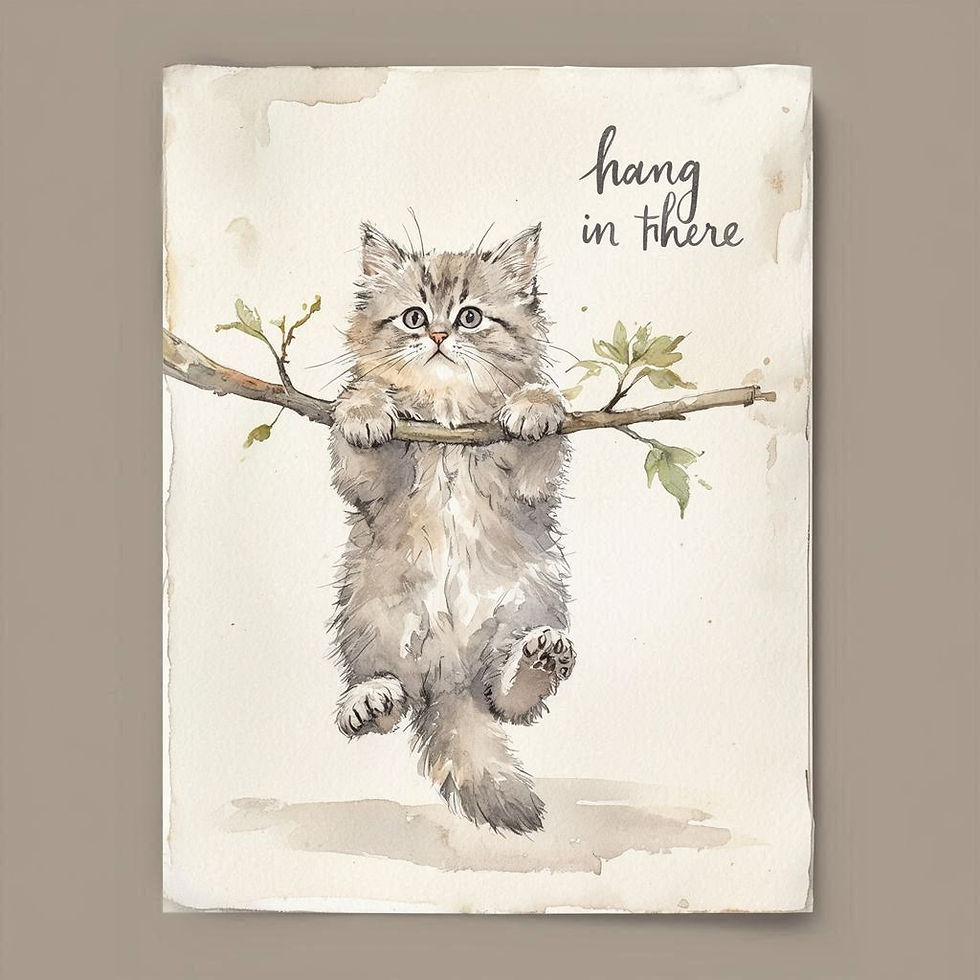
There was a time when the memes felt accurate.
The exhausted teacher. The eye roll in the staff meeting. The quiet countdown to Friday.
Those “funny” posts about dysfunction are not harmless. They are cultural artifacts. They tell the truth about how people feel when systems are misaligned, when voices go unheard, and when purpose gets buried under pressure.
Here is the harder truth.
When those memes resonate, they are not jokes. They are signals.
After stepping away from the system's daily rhythm, something shifts. The humor fades. The normalization of dysfunction becomes harder to tolerate. What once felt relatable begins to feel unacceptable. That distance reveals something powerful: cultures can change, and when they do, those memes stop making sense.
The goal is not to eliminate humor.
The goal is to build environments where people no longer need negative humor to survive work.
The Leadership Shift
Culture is not what is written on the wall.
Culture is what people send each other at 9:30 PM.
If your staff is sharing burnout memes, it is not because they lack professionalism. It is because they are seeking connection, validation, and relief. Leaders cannot shame that behavior away. They have to replace the conditions that necessitate it.
The role of the leader is not to demand positivity.
The role of the leader is to create conditions in which positivity is authentic.
That means:
Reducing unnecessary friction in daily work
Creating clarity where confusion once lived
Honoring time, energy, and professional expertise
Building trust through consistency, not slogans
When those conditions exist, something remarkable happens.
People begin to send each other different messages.
Not performative inspiration.
Real recognition. Real gratitude. Real belief in the work.
Before you try to change the memes, understand the culture.
What are my staff laughing about, and why does it resonate so deeply?
Where in our system does frustration show up as humor instead of being addressed directly?
What parts of the work feel heavy, unclear, or misaligned for my team?
Where have I unintentionally normalized stress instead of redesigning the conditions that create it?
What messages am I modeling in my own communication?
Do I contribute to a sense of urgency, or do I create space for clarity and purpose?
Culture shifts when conditions shift, not when posters change.
Audit the friction points in your system.
Identify one or two daily practices that consistently drain energy and redesign them with staff input.
Create intentional moments of professional acknowledgment.
Build structures where staff can recognize one another for impact, not just endurance.
Replace performative urgency with purposeful pacing.
Examine meeting structures, communication timelines, and expectations to ensure they align with sustainable practice.
Model the shift yourself.
Send the message you want to see. Name impact. Celebrate growth. Acknowledge effort with specificity and sincerity.
The Culture We Build
The absence of dysfunction memes is not the goal.
The presence of meaning is.
Imagine a staff culture where the end of the day does not feel like escape.
Imagine a system where people leave tired but fulfilled.
Imagine a place where the messages shared are not about surviving the week but about the difference they make within it.
That kind of culture does not happen by accident.
It is built, protected, and sustained by leadership that refuses to normalize what is not working.
At some point, the memes stop being funny.
That is when the real work begins.
#InnovationMindset #HangInThere #SchoolCulture #EducationalLeadership #TeacherVoice #LeadWithPurpose #RethinkWorkplace #HealthySchools #LeadershipMatters #CultureShift #FromBurnoutToBelonging #PurposeDrivenLeadership #StaffWellbeing #TransformEducation #LeadDifferently #SustainableSchools #AddorationInnovation


Comments