The Hidden Work of Rest
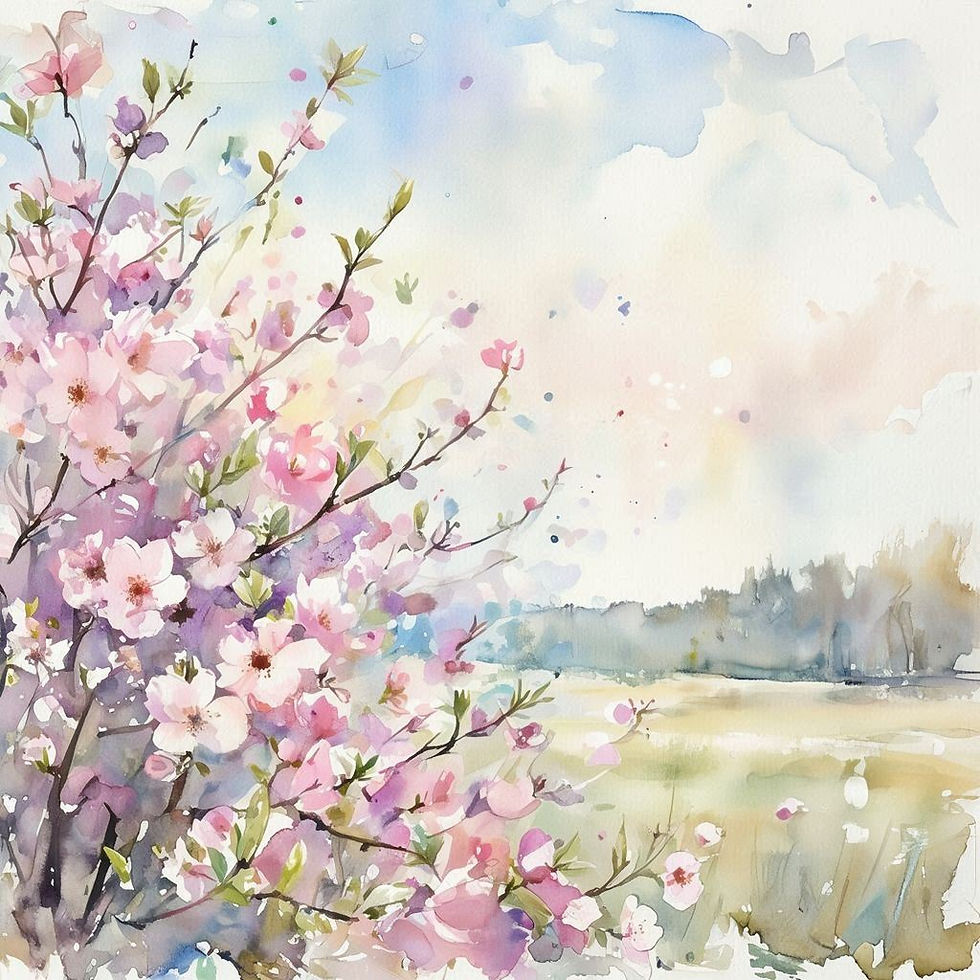
She finally sat down.
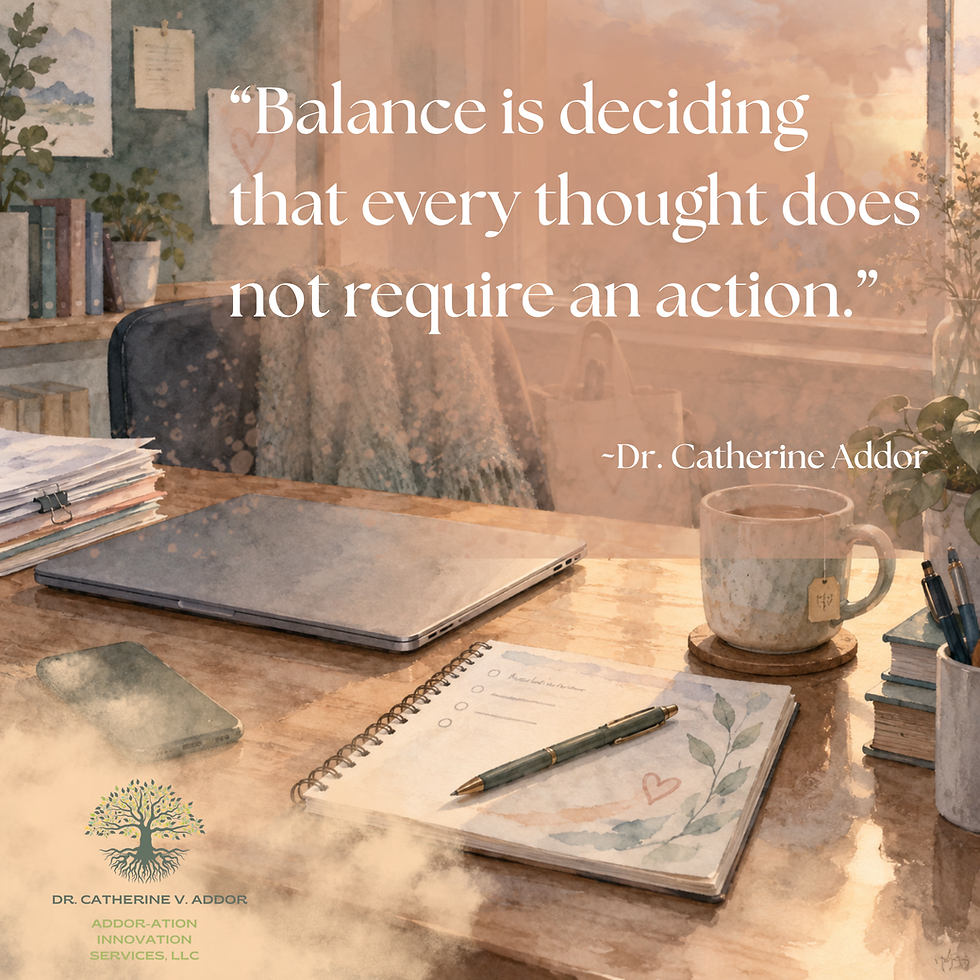
Laptop closed. Notifications silenced.
For the first time in months, the noise stopped.
Spring break is not just a pause in the calendar. It is a necessary exhale in a profession that rarely stops asking.
In schools, we honor dedication. A band teacher offering extra lessons. A math teacher opening their door for review sessions. That work matters. That commitment is real. It reflects care, responsibility, and a deep belief in students.
There is another kind of professionalism that deserves equal respect. The decision to rest. The choice to step away. The understanding that sustainable excellence requires renewal.
Turning off is preparation, not neglect.
Students need this just as much as teachers do. Brains consolidate learning during rest. Creativity returns when space is created. Emotional regulation improves when the pace slows. Growth does not only happen in motion. It happens in stillness.
The culture we create around breaks matters. If we normalize constant availability, we unintentionally teach that exhaustion is the cost of success. If we model boundaries, we teach balance, self-awareness, and longevity.
Spring break is not lost time. It is recovery time.
Pausing does not come naturally in a system built on momentum. Reflection helps us decide whether we are choosing our pace or being driven by it. Ask yourself:
What do I actually need right now: progress or recovery?
Am I modeling healthy balance for my students and colleagues?
Would stepping away make me more effective when I return?
What beliefs do I hold about rest, and where did they come from?
If I continue at this pace, what will the long-term impact be?
Rest does not happen by accident. It requires intention, boundaries, and a willingness to value yourself beyond your productivity.
Set a clear “off” window and protect it like an appointment
Communicate boundaries ahead of time so expectations are clear
Choose one activity that restores you, not just distracts you
Encourage students to unplug and reflect, not just catch up
If you choose to offer support, define limits so it does not consume your break
Spring break invites a choice.
You can keep going, proving your dedication through constant motion. Or you can pause, trusting that rest is not weakness, but wisdom.
Great educators know when to push. Exceptional ones know when to stop.
When we return, we do not just come back. We come back better. Clearer. More patient. More present.
That is the real power of spring break.

Comments